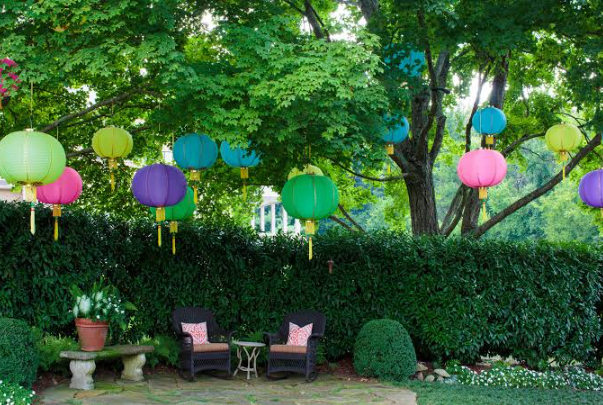
Outdoor celebrations offer an opportunity to create an atmosphere that feels different from a traditional indoor event. Open-air spaces can provide room for socializing, creative activities, music, food, and photographs, making them suitable for birthdays and other private occasions.
However, successful outdoor events require thoughtful planning. Weather, seating, lighting, entertainment, food, guest comfort, and backup arrangements should all be considered before the day arrives.
Start With the Type of Celebration
The first step is to determine what kind of event you want to create.
A relaxed birthday gathering may need comfortable seating, music, food, and a few activities. A larger celebration may require additional entertainment, photography, decorations, and structured timing.
Knowing the overall mood helps guide decisions about the venue and services.
Choosing the Right Location
The venue can influence the entire experience.
When researching an outdoor party venue consider the available space, privacy, access, seating, facilities, entertainment options, and weather arrangements.
A rooftop venue can provide an open-air atmosphere while maintaining the convenience of an organized private event space.
Consider the Guest List
The number of guests affects almost every planning decision.
A venue that feels spacious for ten people may become crowded with thirty guests. Consider not only seating capacity but also how much space people need to move between activities.
It is also useful to think about the age range and interests of the guests.
Plan for Weather
Outdoor events are naturally affected by weather.
Check the forecast close to the event date, but do not rely on it completely. Ask the venue about covered areas, indoor alternatives, umbrellas, or other contingency arrangements.
Hot weather may require additional shade, ventilation, water, and comfortable seating. Cooler conditions may require different clothing recommendations or indoor options.
Food and Drinks
Food is often a central part of celebrations.
Choose a menu that matches the event’s duration and guest preferences. Finger foods can work well for social gatherings because they allow guests to eat while moving around.
Catering can also reduce the pressure on the host, allowing them to spend more time with guests.
Entertainment
Entertainment should suit the event rather than overwhelm it.
Music is a natural choice for many parties, while games and creative activities can encourage guests to interact.
Some venues provide DJ equipment, large-scale games, photography, or artistic activities that can become part of the event itself.
Creative Activities
Activities can give guests something to do beyond eating and talking.
Art-based activities, games, themed clothing, or photo opportunities can work particularly well for private celebrations.
The activity should match the guest group. What works for teenagers may not necessarily suit a family gathering or professional celebration.
Lighting and Atmosphere
Lighting can dramatically change an outdoor event after sunset.
Soft lighting can create a relaxed environment, while colorful or blacklight effects can support a more energetic theme.
When planning lighting, also consider practical visibility. Guests should be able to move around safely.
Photography
Important celebrations deserve good memories.
A dedicated photography service can allow the host to participate in the event rather than constantly taking pictures.
A simple photo area can also encourage guests to capture informal moments together.
Music and Sound
Sound should be planned according to the size and layout of the venue.
A small gathering may need only a simple music system, while a larger party may require DJ equipment and additional speakers.
Consider nearby surroundings and venue rules when planning volume and music timing.
Guest Comfort
Small comfort details can make a major difference.
Provide appropriate seating and consider access to restrooms, food, drinks, shade, and sheltered areas.
If the event involves outdoor activities, guests should also know what clothing or footwear will be most comfortable.
Create a Simple Timeline
A basic schedule helps the host stay organized.
The event might begin with guest arrival, followed by food, activities, music, photography, and a main celebration moment such as a birthday cake.
The timeline should remain flexible because private events rarely follow every minute exactly.
Choosing a Private Venue
Private venues can simplify event planning because several services may be available in one location.
For example, Chalk Party describes private indoor and outdoor rooftop spaces and lists options including catering, DJ equipment, photography, creative activities, and games.
This type of arrangement can reduce the number of separate suppliers the host needs to coordinate.
Three Common Questions
1. What should I consider when choosing an outdoor venue?
Consider capacity, weather arrangements, privacy, seating, accessibility, facilities, entertainment options, and catering.
2. What happens if the weather changes?
Ask the venue in advance about indoor or covered alternatives and create a backup plan that can be activated if necessary.
3. Do I need professional entertainment?
Not always. The choice depends on the guest list, event style, and budget. Music, games, creative activities, or photography can all contribute to the atmosphere.
Conclusion
An outdoor celebration can create a memorable experience when the venue, guest list, food, entertainment, weather planning, and comfort are considered together.
The best events do not necessarily require the largest budget or the most elaborate schedule. They require thoughtful planning around the people attending and the atmosphere the host wants to create. With a suitable private space and a practical plan, an outdoor celebration can feel relaxed, personal, and enjoyable.