Natural daylight can make a loft, kitchen extension or upstairs living space feel brighter and more comfortable. Choosing the right roof glazing also involves checking the roof pitch, measurements, glass specification and installation requirements. Homeowners planning a renovation can Buy online roof windows UK options by comparing product details before placing an order. Roof Lights offers pitched skylights and rooflights in a range of sizes, with features such as triple glazing, UV protection and self-cleaning glass. Understanding these features helps you select a product that suits your roof structure, the size of your room and your everyday needs.
1. Choose a Rooflight Designed for Pitched Roofs
Pitched rooflights are designed for installation on sloping roof structures. They can be used in loft conversions, home extensions and renovation projects where natural daylight is needed without changing the overall shape of the roof. Before choosing a product, check that it is suitable for your roof’s angle and construction. The roof covering, supporting structure and drainage arrangements will affect how the rooflight should be installed.
Keep these points in mind:
- Roof pitch: Confirm the minimum and maximum pitch supported by the product.
- Roof covering: Check how the rooflight will fit with your existing tiles or other roofing materials.
- Installation structure: Make sure the roof opening and supporting upstand meet the manufacturer’s requirements.
- Water drainage: The installation must allow rainwater to drain properly rather than collect around the glass.
Roof Lights offers pitched rooflight options designed for roof slopes of up to 45 degrees. Check the individual product specifications and installation guidance before ordering to confirm compatibility with your project.
2. Measure the Opening Before Placing an Order
Choosing the correct size is one of the most important parts of buying roof glazing online. A rooflight that is too large or too small for the planned opening can cause delays and additional building work. The listed product size may refer to the top pane of glass rather than the clear opening visible from inside the room. For this reason, do not assume that the dimensions shown in a product title are the exact measurements required for the structural opening.
Before ordering, consider the following:
- Measure the planned rooflight area carefully.
- Check the top pane and lower glass dimensions stated in the product specifications.
- Confirm the required opening and supporting upstand dimensions.
- Allow for the installation clearances specified by the manufacturer.
- Ask your roofer or builder to verify the measurements if structural work is involved.
Available sizes can suit different projects, from smaller rooms that need additional daylight to larger living areas where a wider glazed area may be preferred.
3. Compare Glazing Options and Energy Performance
Glazing affects heat transfer, indoor comfort and the amount of outside noise that enters a room. Comparing the glass specification helps you understand how a rooflight may perform once installed. Triple glazing uses three panes of glass separated by insulated gaps. This construction can help reduce heat transfer and improve sound insulation compared with some double-glazed alternatives. Actual performance depends on the complete glazing unit and its installation.
Look at these features when comparing products:
- Thermal performance: Check the stated U-value. A lower value generally indicates less heat transfer through the measured component.
- Sound insulation: Triple glazing may help reduce noise from traffic, rain and nearby activity.
- UV protection: UV-protective glass can help limit the amount of ultraviolet radiation passing into the room.
- Toughened glass: Check the safety specification and confirm that it suits the intended installation.
- Glazing construction: Review the pane thickness, spacer system and other details provided by the manufacturer.
Roof Lights lists triple-glazed pitched skylights with toughened glass, UV protection and a centre-pane U-value of 0.9 W/m²K on its product specifications. Check the exact details for your chosen size before comparing it with other products.
4. Consider Self-Cleaning Glass
Roof glazing is exposed to rain, dust, leaves and airborne dirt. Cleaning can be difficult when the glass is positioned high above the ground, so a self-cleaning coating may be a useful feature. Some coatings use sunlight to help break down organic dirt, allowing rainwater to wash away loosened residue. This can reduce the need for manual cleaning, although it does not mean the glass will never need maintenance.
When reviewing self-cleaning rooflights, check:
- Whether the product includes a self-cleaning glass coating.
- The minimum recommended roof pitch for the coating to work effectively.
- The manufacturer’s cleaning and maintenance instructions.
- Whether dirt, debris or standing water could affect performance.
The slope of the roof matters because the coating relies partly on water running across the glass. A suitable installation angle helps water drain away rather than remain on the surface.
5. Select a Size That Suits the Room
The right rooflight size depends on the room’s dimensions, layout and intended use. A compact rooflight may be suitable for a small landing or bathroom, while a larger glazed area can provide more daylight to an open-plan kitchen or living space. Consider how the room will be used throughout the day. A brighter kitchen may benefit from a larger rooflight, while a bedroom may need a balance between daylight, privacy and control over incoming sunlight.
Roof Lights offers a selection of pitched rooflight sizes, including options measuring 600mm x 600mm, 800mm x 1200mm, 1000mm x 1500mm and 1500mm x 1500mm. Use these dimensions as a starting point for comparison rather than choosing a size based on appearance alone. The roof structure, supporting frame and internal layout must all be considered before making a final decision.
6. Check the Design and Finish
The appearance of a rooflight can influence how the completed room looks from both inside and outside the property. A frameless design may create a cleaner visual effect by reducing the appearance of bulky borders around the glass. This can work well in contemporary extensions, renovated lofts and rooms where an unobstructed view of the sky is preferred. However, the final appearance also depends on the roof construction and the way the product is fitted.
Before ordering, review the product photographs and specifications. Confirm the glass finish, overall dimensions and visible edges so that the chosen rooflight suits the intended design. Roof Lights provides pitched skylights with a frameless appearance, making this a feature worth considering if you want a simple finish that complements the surrounding roof.
7. Compare Price, Warranty and Delivery
Online shopping makes it easier to compare sizes, specifications and prices in one place. However, the cheapest option may not be the most suitable if it lacks the glazing features or dimensions your project requires. Compare the full product specification alongside the purchase price. You should also check the warranty conditions, delivery arrangements and availability before confirming your order.
A practical checklist includes:
- The price for your chosen size.
- The stated warranty period and conditions.
- The glass specification and thermal performance.
- The installation instructions and required accessories.
- Delivery times and arrangements for handling large glass units.
- Any additional building or installation costs.
Roof Lights advertises a 20-year warranty on its pitched rooflights. Review the terms applicable to your chosen product so you understand what is covered and whether any installation conditions apply.
8. Arrange Suitable Installation
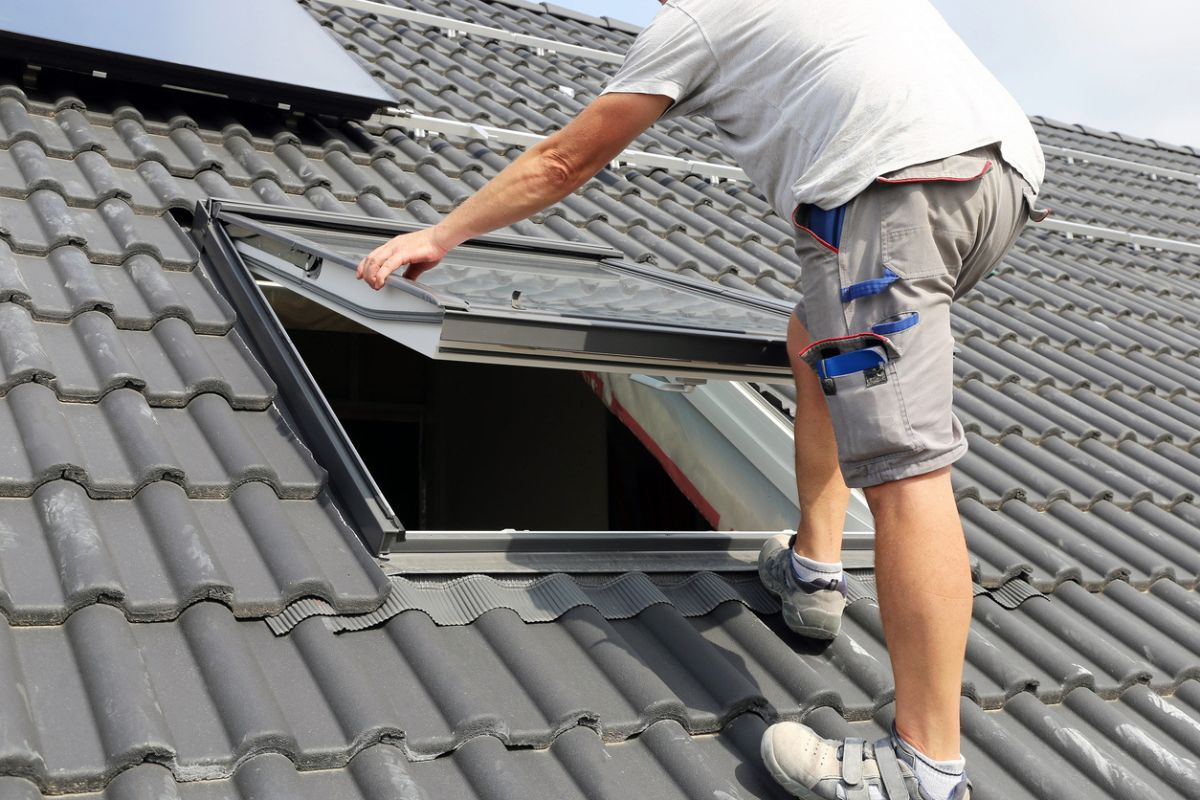
Correct installation is essential for reliable performance. Poorly prepared openings, unsuitable drainage or inadequate weatherproofing can lead to water ingress, heat loss and damage to surrounding materials. A qualified roofer or builder can check the roof structure, prepare the supporting upstand and confirm that the opening matches the product requirements. Larger glass units may also require careful handling and appropriate lifting arrangements. Before work begins, make sure the installer has the manufacturer’s instructions and understands the required roof pitch, clearances, sealing methods and drainage details. Check whether building regulations or planning requirements apply to your project.
Planning these details before purchasing can help avoid unnecessary delays and ensure the finished rooflight suits the building. Contact us today to explore pitched rooflights, compare sizes and glazing specifications, and find a suitable option for your roof. Get guidance on product details before placing your order.