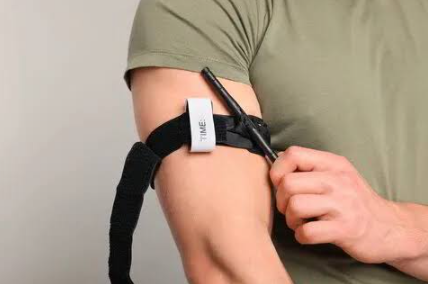
Emergency response equipment must be selected with its intended users and operating environment in mind. Tourniquets illustrate this principle because different designs can require different application methods, training, and storage considerations. A procurement decision should therefore evaluate both the device and the system in which it will be used.
Organizations should begin by identifying their likely risks, the responsibilities of their responders, and the relevant first-aid or medical guidance. This helps ensure that the equipment selected is suitable for the intended role.
Two Broad Approaches to Tourniquet Design
Some tourniquets use a mechanical tightening system, such as a windlass, while others use elastic material to create compression. These broad design categories have different construction features and application procedures.
A windlass design typically uses a rotating rod or handle and a retention feature. An elastic-wrap design relies on stretching and securing the material according to the manufacturer’s instructions. The actual details vary by model, so general descriptions should not replace product-specific training.
A windlass vs elastic wrap tourniquets review can help purchasing teams identify which specifications and training considerations require closer examination. It should not be used to assume that either design is suitable for every situation.
Comparing Design Features Responsibly
Tightening mechanism
A windlass mechanism uses a rotating component to tighten the device, while an elastic-wrap design uses the properties of the wrap itself. Buyers should review the exact construction and the manufacturer’s application instructions.
Retention and securing features
Each design must be secured in the manner described by its manufacturer. The product documentation should explain its intended use, limitations, and any warnings.
Material and durability information
Manufacturers may provide information about the materials used in straps, handles, retention components, or elastic wraps. Buyers should review documented details and avoid drawing conclusions from appearance alone.
Packaging and storage
Consider the size and packaging of each product, along with its stated storage conditions. Equipment carried in vehicles or outdoor packs may need additional inventory checks to ensure packaging remains intact.
Training requirements
The selected device should be compatible with the training program available to the intended users. If an organization uses multiple models, training materials should clearly distinguish their application methods and limitations.
See also: Choosing a Compact Everyday Accessory for Modern Life
Why Context Matters More Than a Simple Ranking
It is tempting to label one tourniquet design as universally better than another. Such a conclusion may ignore differences in product models, training, intended applications, and the evidence supporting particular claims.
A more useful approach is to establish selection criteria. These may include the exact model, documented performance, instructions, product availability, user familiarity, quality assurance, and compliance requirements.
Where clinical suitability is uncertain, consult qualified medical professionals and recognized guidance. Procurement decisions should not rely solely on online comparisons or generalized marketing claims.
Building a Consistent Training Program
Training should reflect the actual equipment carried by the organization. Users need to recognize life-threatening bleeding, contact emergency services, follow appropriate first-aid procedures, and understand the instructions for the device they have been taught to use.
A consistent equipment policy can simplify training and reduce uncertainty. If multiple devices are retained for specific operational reasons, maintain clear identification and ensure that training covers each model.
Organizations should periodically review their training records and equipment lists. Product changes, revised instructions, or updated organizational guidance may require adjustments to the training program.
Procurement and Supplier Evaluation
Before purchasing, request current specifications, instructions for use, packaging details, manufacturer information, and applicable quality or conformity documentation. Confirm that the quoted model is the same model shown in the documents.
For large purchases, compare equivalent products using a written matrix. Include unit cost, minimum order quantity, delivery schedule, traceability, and supplier procedures for dealing with defects or substitutions.
Once equipment arrives, inspect the shipment against the order. Verify quantities, model identifiers, packaging condition, and documentation before distribution. Keep purchasing records so repeat orders can be checked for consistency.
Maintenance and Operational Readiness
Store equipment according to the manufacturer’s guidance. Protect it from environmental conditions that could damage materials or packaging, and inspect kits regularly for missing or compromised supplies.
After an incident or training session, check the affected equipment and replenish the kit according to organizational policy. Documenting these checks helps ensure that supplies are not returned to service without proper review.
Emergency equipment should always support a broader response plan. Users should know how to summon professional help and monitor the injured person while waiting for qualified medical assistance.
FAQs
1. What is a windlass tourniquet?
It is a tourniquet design that uses a rotating rod or handle to tighten the device, with a retention feature intended to keep it secured according to the manufacturer’s instructions.
2. What is an elastic-wrap tourniquet?
It is a design that uses elastic material to create compression according to its specific instructions. Its application method differs from that of a windlass model.
3. How should an organization choose between different designs?
Review the exact product specifications, intended use, training requirements, documentation, and organizational needs. Seek qualified medical guidance when necessary.
Conclusion
Differences in tourniquet mechanisms affect how devices are applied, secured, stored, and taught. Organizations should compare specific models using reliable documentation rather than making broad assumptions about entire product categories. Matching equipment to recognized training and maintaining consistent inventory procedures can support a more dependable emergency response system.