Repairing plumbing systems requires a disciplined, systematic approach. Document pressures, temperatures, and noises to establish a baseline. Isolate faults using diagnostic models and verify findings with simple tests. Select compatible parts and tools, ensuring correct fittings and materials. Perform repairs with proper safety gear, then conduct functional checks to confirm leaks, flow, and insulation performance. Maintain clear records and schedule follow-ups. If complexity or codes exceed the technician’s clearance, expert assistance becomes essential, and opportunities for safer, durable outcomes emerge beyond the initial assessment.
Diagnose Plumbing Problems Like a Pro
Diagnosing plumbing problems begins with a systematic assessment of symptoms, operating conditions, and system layout. The approach remains analytical, documenting pressures, temperatures, and noise signatures to generate reproducible findings. Observations align with diagnostic models, isolating fault domains without speculation. Report conclusions of failures, noting any unrelated topic influences and the offbeat trend implications, while preserving objective, actionable, technical clarity for informed decision-making.
Choose the Right Parts and Tools
Selecting appropriate components and tools requires a standardized approach: identify fixture types, material compatibility, and expected service conditions before procurement. The selection process emphasizes compatibility with existing systems, reliability, and maintainability. Corrosion prevention and pipe insulation should be considered to extend longevity. Tools chosen must align with chosen materials, accessible fittings, and professional efficiency, ensuring safe, precise installation and future serviceability.
See also: The Role of Crypto in E-Commerce
Step-by-Step DIY Repairs for Common Issues
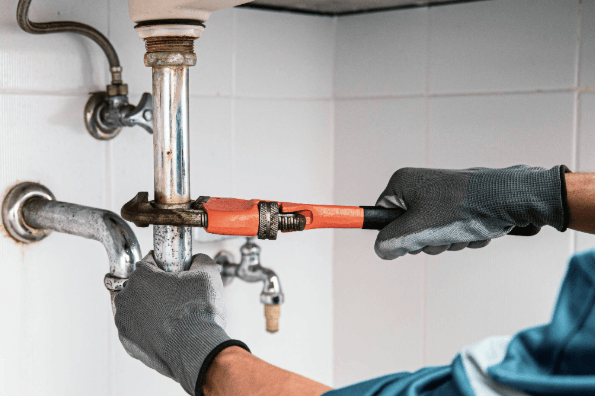
Step-by-step DIY repairs for common plumbing issues follow a systematic sequence: identify the symptom, isolate the affected area, select the appropriate repair method, execute the task with correct tools and materials, and verify the result through functional testing. This approach emphasizes leaks troubleshooting, accurate diagnostics, and pipe corrosion prevention to ensure reliable performance and minimize future disturbances for the freedom-minded homeowner.
Safety, Maintenance, and When to Call a Pro
Safety, maintenance, and determining when to call a professional are foundational elements of responsible plumbing management. The section presents a disciplined framework: identify hazards, enforce safety gear usage, and implement routine tool maintenance. Regular system inspection minimizes risk, schedules preventative tasks, and documents findings. Decision criteria for pro engagement hinge on complexity, codes, and risk assessment, ensuring timely, cost-effective professional intervention when needed.
Conclusion
Despite meticulous diagnostics, a coincidental signal often guides the outcome: a dropped wrench, overheard drip, or stray thread aligns with a failing joint long before the meter spikes. In this disciplined craft, precision, documentation, and reproducible steps converge, revealing that leaks, corrosion, and insulation are not random faults but predictable indicators of system health. When aligned properly, the repair workflow yields durable results, safety, and cost effectiveness, underscoring the value of methodical, professional-grade maintenance.