A successful event depends on many connected details, and the venue is one of the most important. It influences guest comfort, event flow, technical arrangements and the overall impression created by the occasion.
Whether an organisation is arranging a seminar or a group is planning a private celebration, choosing a suitable venue requires a clear understanding of the event’s needs. Comparing facilities and practical arrangements before making a booking can prevent problems later.
Define the Format of the Event
The first step is to identify the type of event being organised. A conference, training session, product launch and networking reception may all require different room layouts.
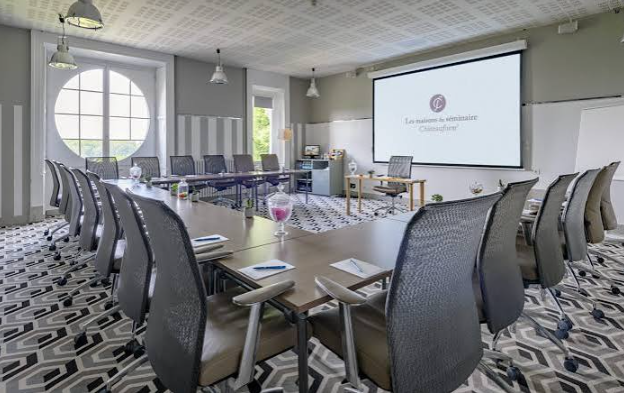
For example, a conference may need rows of seats facing a presentation area. A workshop may require tables where participants can work together, while a reception may benefit from an open arrangement that allows guests to move around.
The format should guide the venue search rather than the other way around. This helps organisers avoid paying for facilities that do not contribute to the event.
Calculate Space Requirements
Guest capacity should be considered carefully. Organisers need to estimate the number of attendees and allow enough room for staff, speakers, equipment and circulation.
The maximum capacity stated by a venue may not represent the most comfortable arrangement for every event. A room designed for standing guests may accommodate fewer people when tables and chairs are required.
It is useful to request layout plans and confirm the capacity for the preferred setup. This makes comparisons between venues more meaningful.
Evaluate Facilities and Equipment
The facilities required will depend on the programme. Presentations may need a projector, screen, microphones and sound equipment. Workshops may require tables, power outlets and reliable internet access.
For hybrid events, organisers should check whether the venue can support video conferencing and remote participation. They should also ask whether technical staff are available to assist with setup and troubleshooting.
If equipment is supplied by an external provider, confirm delivery times, access arrangements and any additional charges.
Consider the Guest Experience
A venue should be convenient and comfortable for the people attending. Location, transport access, signage and building navigation can all influence the guest experience.
Inside the venue, seating comfort, lighting, ventilation and acoustics deserve attention. Poor sound quality can make presentations difficult to follow, while uncomfortable seating may affect longer sessions.
Organisers should also consider accessibility requirements and whether the venue can accommodate guests with different needs.
Understand Booking and Service Conditions
Before signing an agreement, review the booking terms. Important details may include the rental period, setup and breakdown time, payment schedule, cancellation policy and responsibility for equipment.
Some venues provide additional services such as catering, technical support or event coordination. Others may require organisers to work with external suppliers.
Requesting a written quotation can help clarify what is included and reduce the possibility of unexpected costs.
Plan the Event Timeline
A detailed schedule helps organisers coordinate the venue, suppliers and participants. It should include arrival times, registration, presentations, breaks, meals and closing arrangements.
Allow enough time for setup and technical testing before guests arrive. If the event includes several speakers or activities, assign someone to monitor the schedule and communicate changes.
A clear timeline also helps venue staff understand when different services are required.
Compare Suitable Venue Options
When researching an event venue hong kong organisers should compare the available space, facilities and booking conditions against their specific requirements. Asking questions about capacity, technical support and layout flexibility can help establish whether the venue is appropriate.
Frequently Asked Questions
1. What is the difference between an event space and an event venue?
The terms are often used similarly. An event space usually refers to the physical area, while an event venue can describe the broader location and facilities provided for an occasion.
2. What should be included in a venue quotation?
It should clearly explain rental charges, included equipment, setup time, additional services, payment conditions and any possible extra costs.
3. Is flexible room layout important?
Yes. A flexible layout can help accommodate different event formats, from presentations and workshops to networking sessions and group activities.
Conclusion
Selecting the right venue involves balancing guest comfort, facilities, location, budget and event objectives. Organisers who define their requirements early and review booking conditions carefully are better prepared to choose a suitable setting. A well-matched venue can support smooth event delivery and create a positive experience for everyone attending.